How to brief character IP development for a toy brand
A practical brief for toy brands developing original character IP: audience, personality, story world, creative deliverables and ownership questions.
Start with a character and a clear audience
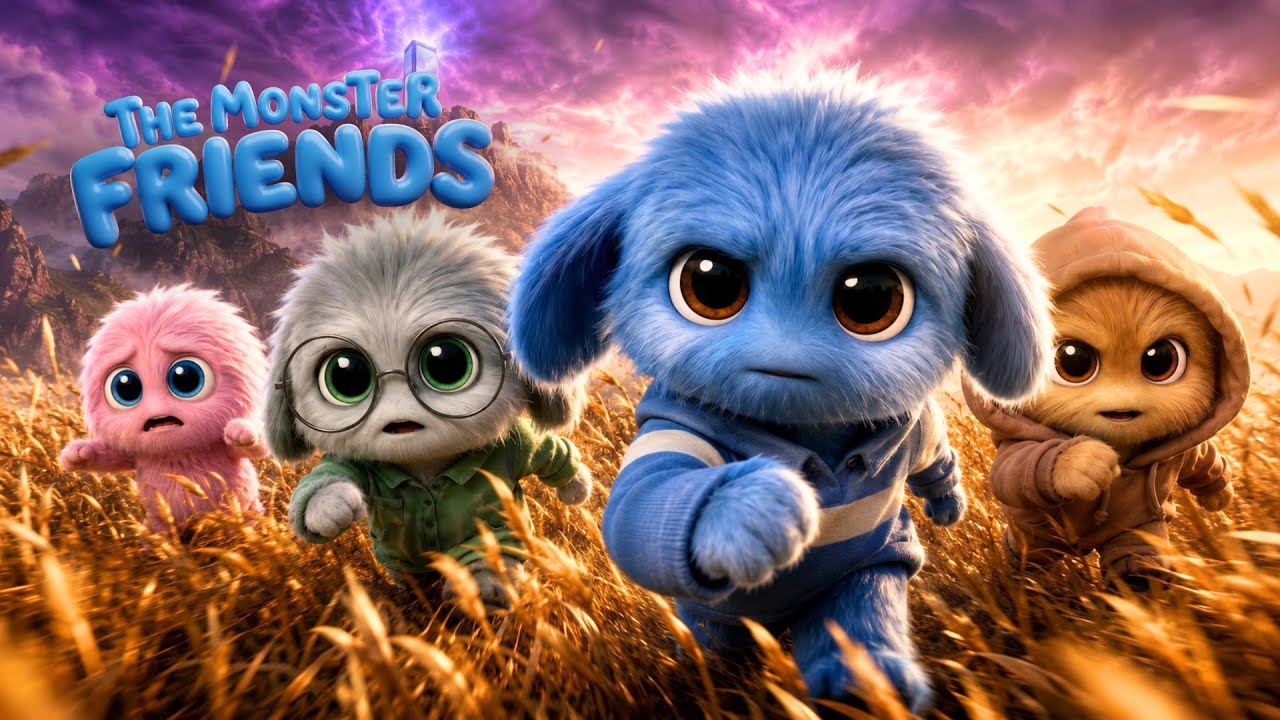
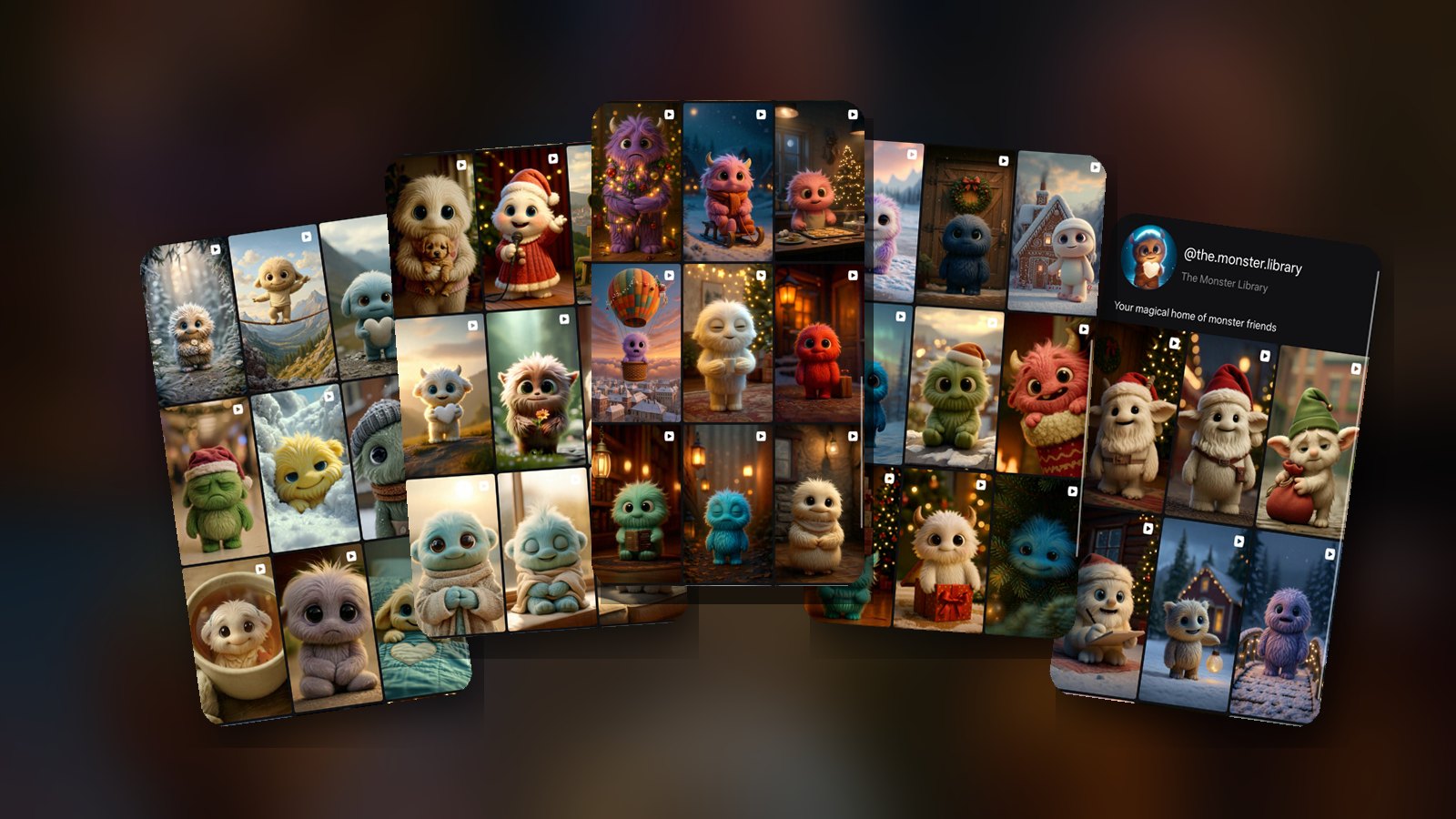
A toy-brand character IP brief should identify who the character is for, what makes it recognizable, and what stories it can carry. Separate the creative development brief from product engineering: a screen personality, a plush pattern and a manufacturing specification solve different problems. At The Monster Library, our part is character design, storytelling and animation.
Write down the intended audience, the product or concept you already have, and the first job the character needs to do. A launch film, recurring social shorts and a series pilot need different scopes. Choose the immediate goal before asking a studio to develop an entire universe.
Define the personality before expanding the cast
Give the lead character a want, a recognizable behavior and a tension that creates stories. For example, a careful character who keeps encountering small surprises has more to do than a character described only as cute. Treat this as a creative exercise, not a promise of audience response.
Include approved artwork and product photographs if they exist. Identify the silhouette, colors, face and details that cannot change. Then name what is open for development: expressions, movement, voice, supporting characters or environments. This helps avoid animation that looks appealing but no longer feels like your product.
Ask for a useful first set of deliverables
A focused first phase might include a lead-character direction, personality notes, expression studies, a short character bible and one story concept. Agree which assets are needed for the first production and which are exploratory. Supporting casts and larger worlds can follow when there is a clear use for them.
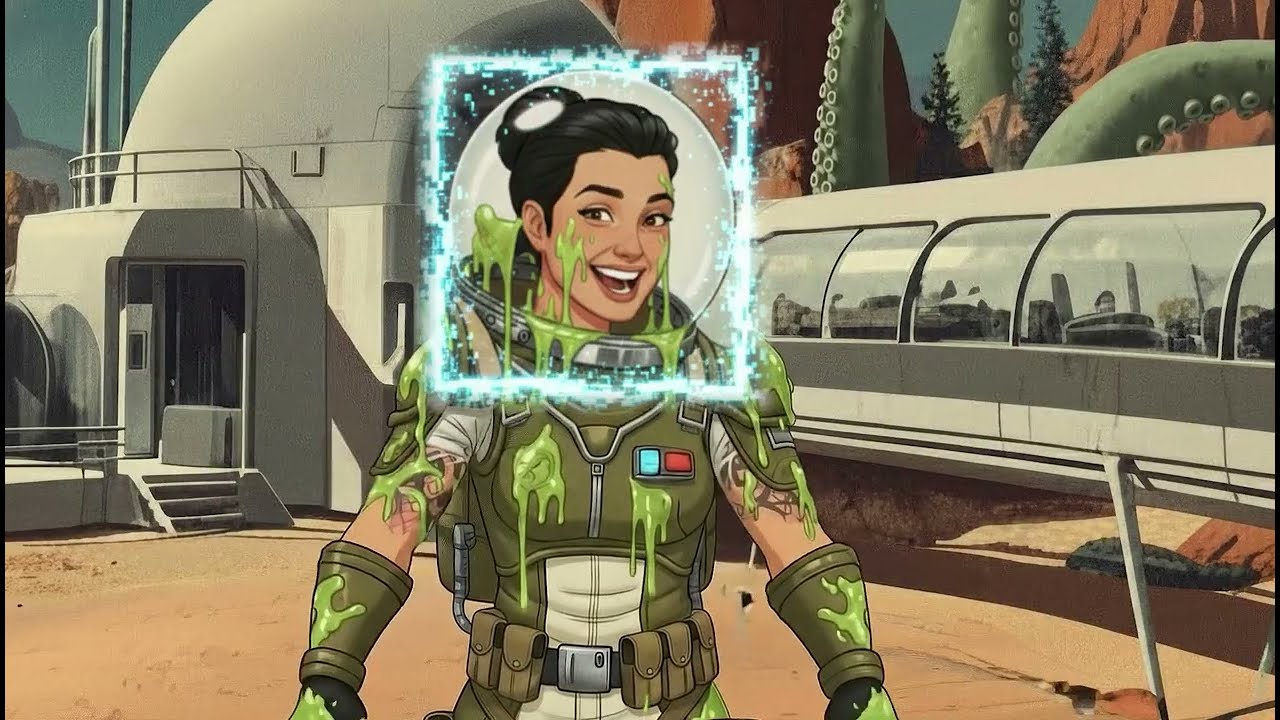
The Monster Shoe Factory, co-produced with Showrunner, is an example of our character-led film storytelling. It is not a toy-brand commission, but it lets a brand team inspect how a cast, a setting and an emotional premise work together on screen.
Keep product, rights and creative responsibilities separate
Tell the studio which references and characters you are authorized to use, who approves new designs, and how the finished creative will be used. Ownership, permitted uses and deliverables belong in the agreement. A character bible is not a licensing contract or a toy-safety certificate; bring in the appropriate legal and product specialists for those questions.
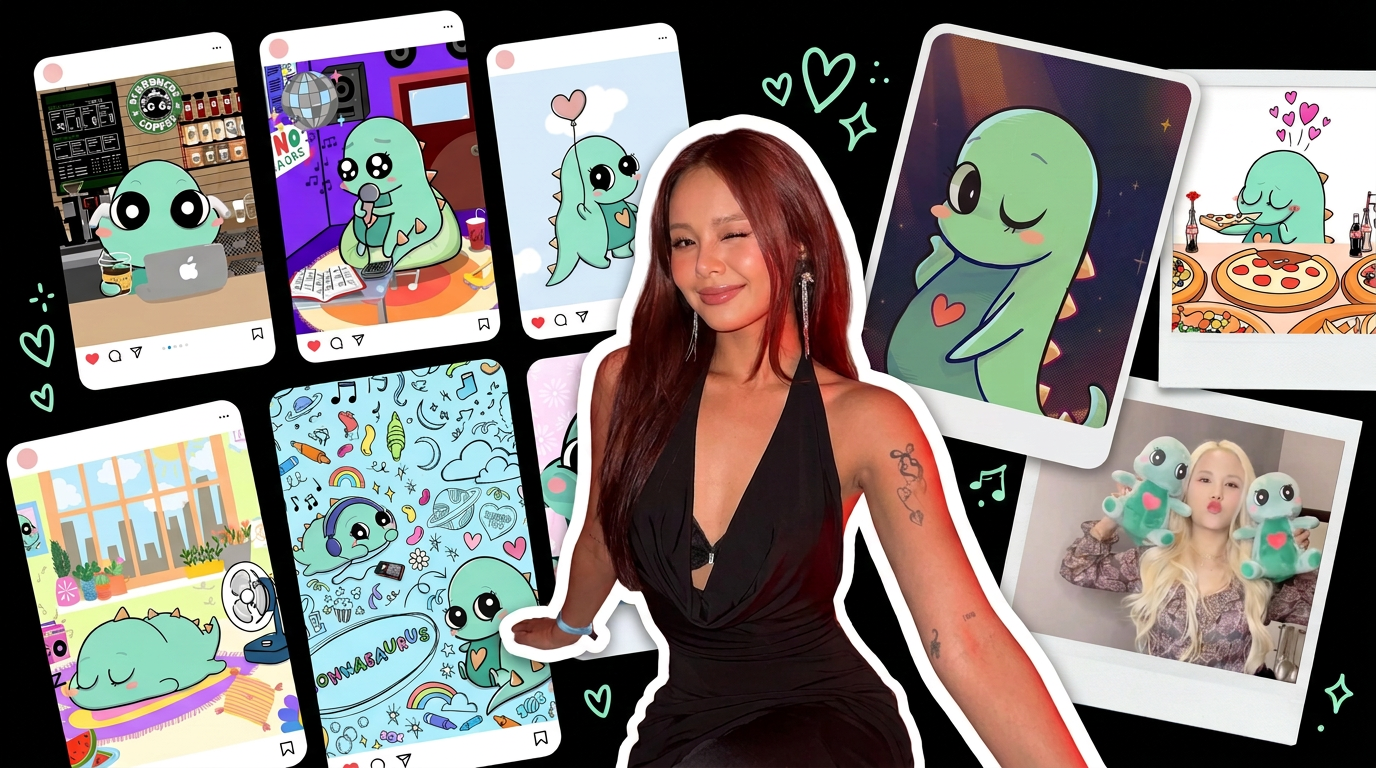
Our SORN collaboration is another useful reference: we brought her existing Chonnasaurus idea to life for social media, and the character also has a plush toy. We do not present that as plush manufacturing by our studio or proof that content caused merchandise sales.
Send a brief that can start a real conversation
Share your concept or approved character, audience, initial launch goal, required formats, existing guidelines, available product references and desired review milestones. Explain what is fixed and where you want creative exploration. If you already have a toy or plush character, start with its existing identity rather than treating it as a blank page.
For character design, story development and animation, send that starting material through our brand inquiry form. We can discuss a first creative scope without assuming you need a series, a complete product line or a licensing program.