How to create a family-friendly mascot for your brand
A practical guide for toy makers, family grocers, restaurants and other family brands creating a mascot kids and parents remember, with personality, design rules and animated stories.
Start with the job the mascot will do
A good family brand mascot is a character with a clear purpose, a warm and recognizable look and a personality that can carry stories for years. Toy companies, family-run grocery stores, restaurants and local favorites all use mascots for the same reason: kids remember characters, and parents remember the places their kids get excited about.
Decide what your mascot is for before sketching. It might welcome families in store, star in seasonal social posts, appear on packaging, become a plush or grow into a short series. Write that purpose in one sentence so every design choice has something to answer to.
Give it a heart before a costume
Families follow characters, not logos. Define what your mascot loves, what makes it nervous, how it reacts when things go wrong and who its friends are. A curious, kind character with small flaws can star in hundreds of moments without repeating the same joke.
Keep the tone safe for every age without making it bland. Gentle humor, friendship and everyday adventures work for kids and adults at the same time, and they give a store or product line something warmer than a sales message.
Design for recognition everywhere families see it
Test the silhouette, colors and face at thumbnail size, on a sign, on packaging and as a possible plush. Simple, rounded shapes and one or two signature details survive all of these better than heavy detail.
Once the direction is approved, build a character sheet with turnarounds, expressions, color references and clear do and do not examples. These rules keep the mascot on-model across your team, agencies, merchandise and years of content.
Bring it to life with stories families come back to
Animation is where a mascot earns affection. Plan a few repeatable formats around its personality: a holiday greeting, a weekly little adventure, a behind-the-scenes look at your store or product, or a friendship with a small supporting cast.
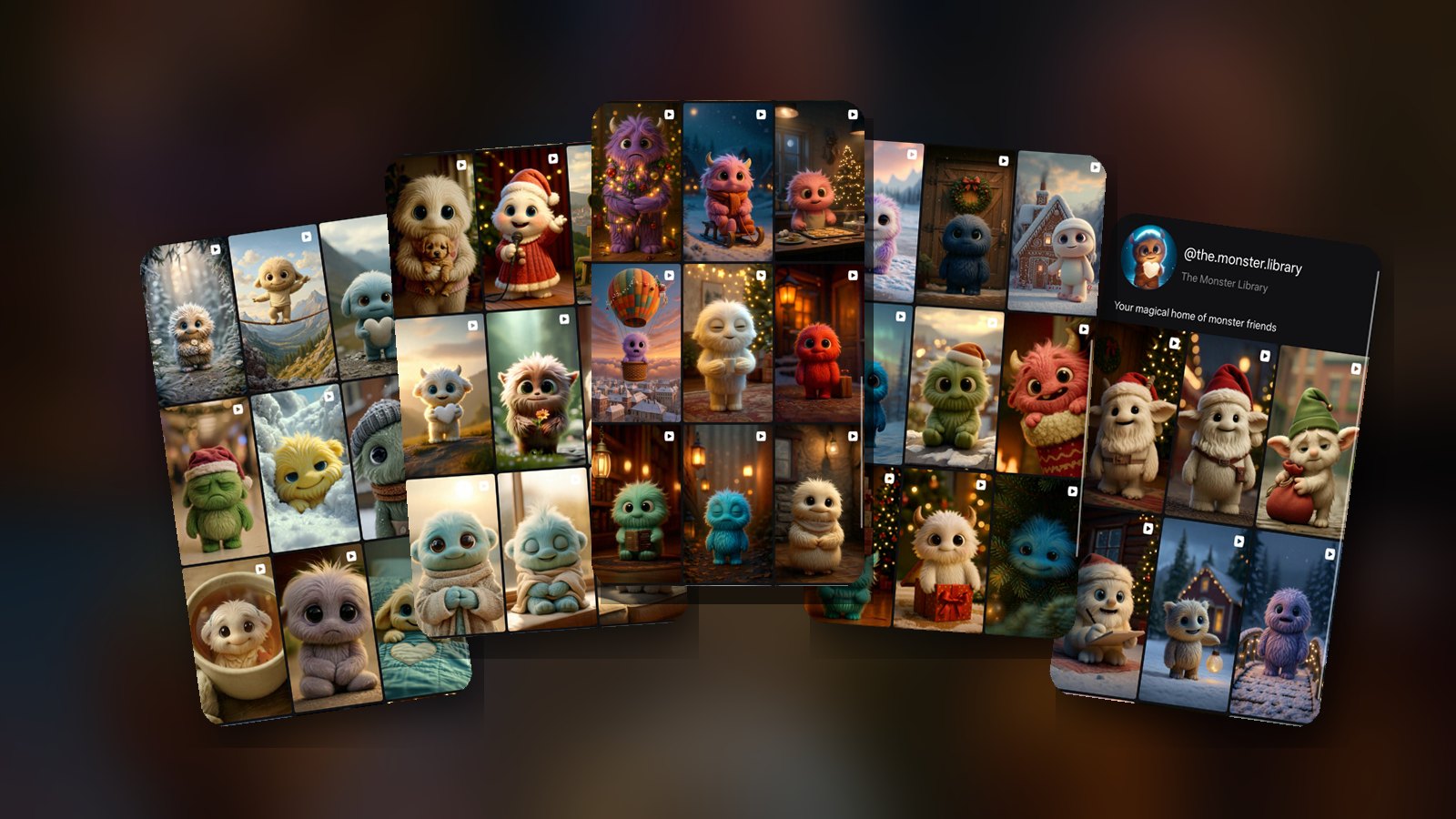
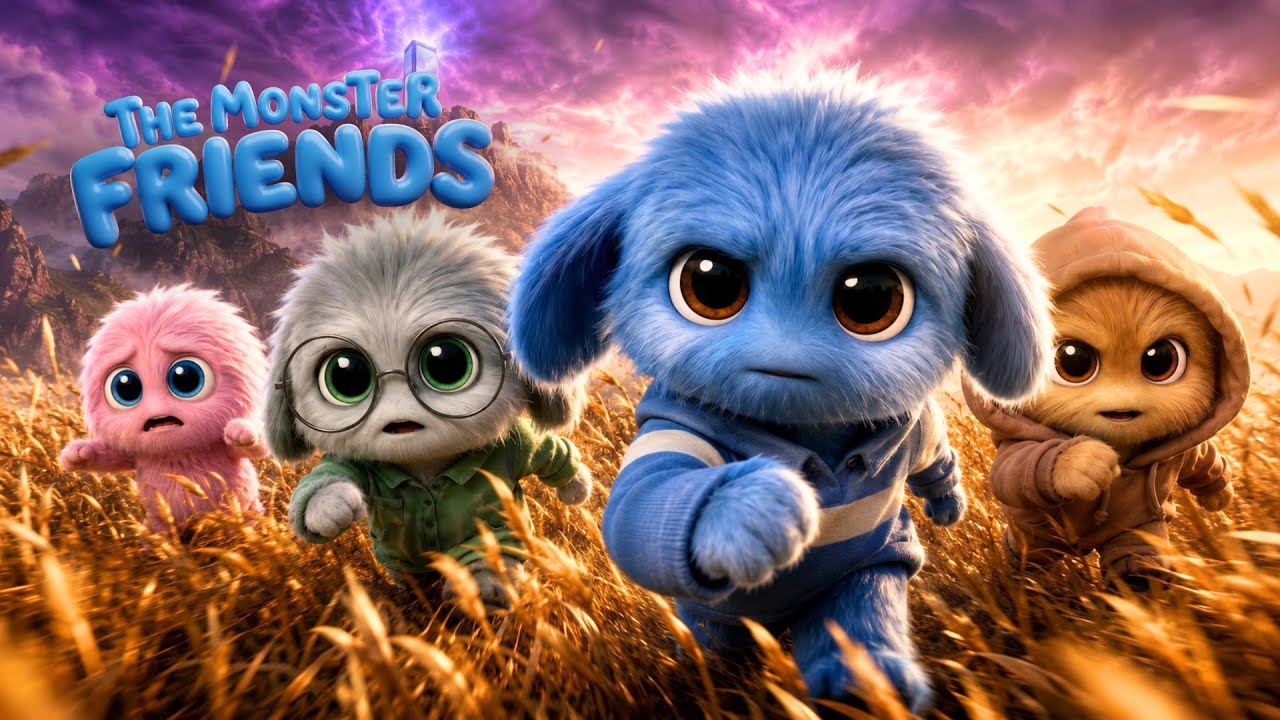
Our Monster Friends are built this way, a cast of fuzzy characters with distinct personalities that now lives across social posts, a series pilot and a feature film in development. For Meta’s creator-app launch we produced 60 pieces of cozy holiday character content from October to December. These are examples of our approach, not guarantees for another brand.
Existing mascot or a new one?
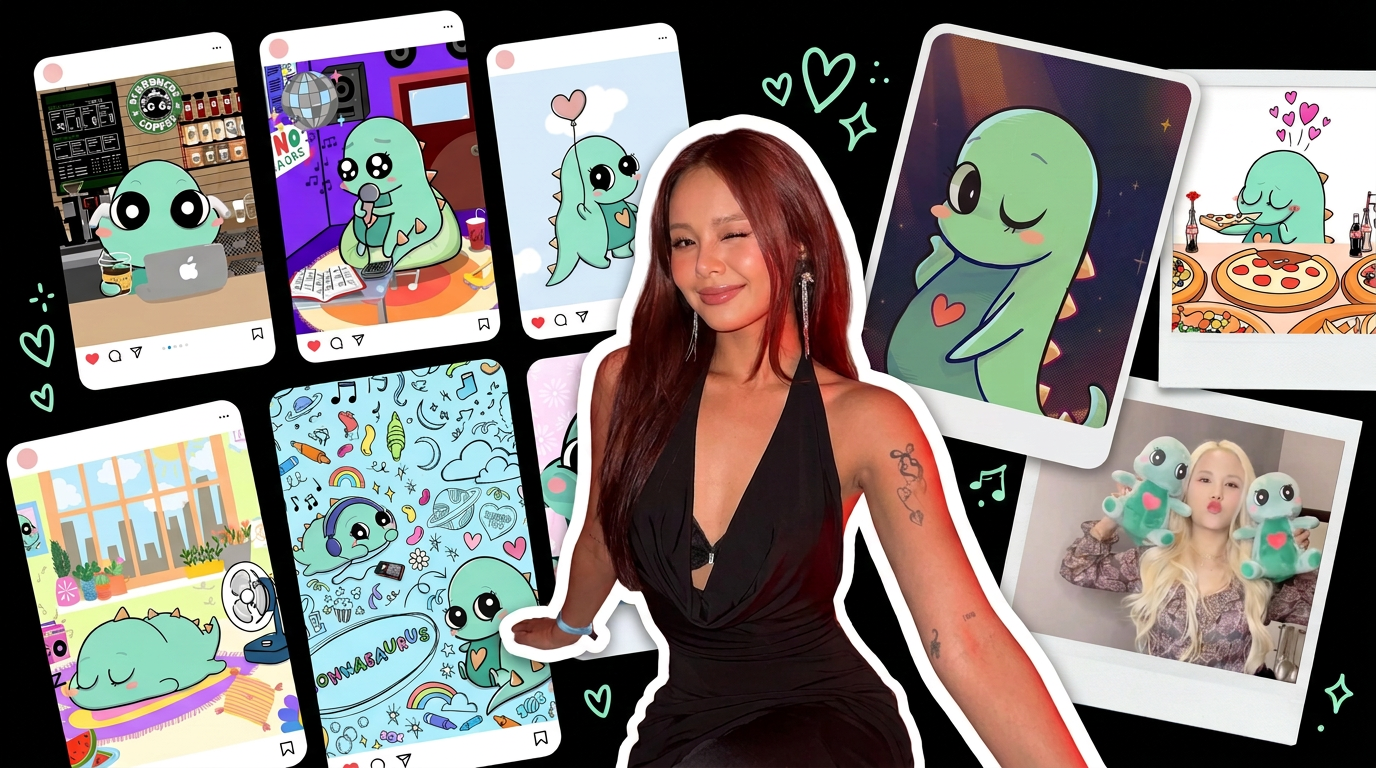
If you already have a mascot, start from what families already recognize and develop its voice, movement and stories around it. Our collaboration with SORN brought her Chonnasaurus character idea to life for social media while keeping its look intact, and Chonnasaurus also exists as a plush toy.
If you are starting fresh, plan a short exploration of sketches and directions before committing to a final design. Decide ownership, approvals and usage terms in the project agreement before production begins.
Measure what the mascot is meant to change
Match metrics to the purpose you wrote at the start: completion rate and shares for story content, follower growth for a social character, or tracked links, store visits and your own sales data for a promotion. Keep engagement and commercial results separate unless you have evidence connecting them.
Tell us about your brand, the families you serve and any character you already have. We can scope a first character direction or a social-first animated series built around your mascot.